Bancontact is predominantly utilized in Belgium.

What is Bancontact, how does it work, and how can merchants integrate this payment method into their
e-commerce store?
In the vibrant landscape of Belgian e-commerce and digital transactions, Bancontact plays a central role, offering an essential payment solution that appeals to both merchants and consumers. With Belgium actively adopting digital advancements, Bancontact acts as a foundation for the local market, ensuring smooth and effective transactions.
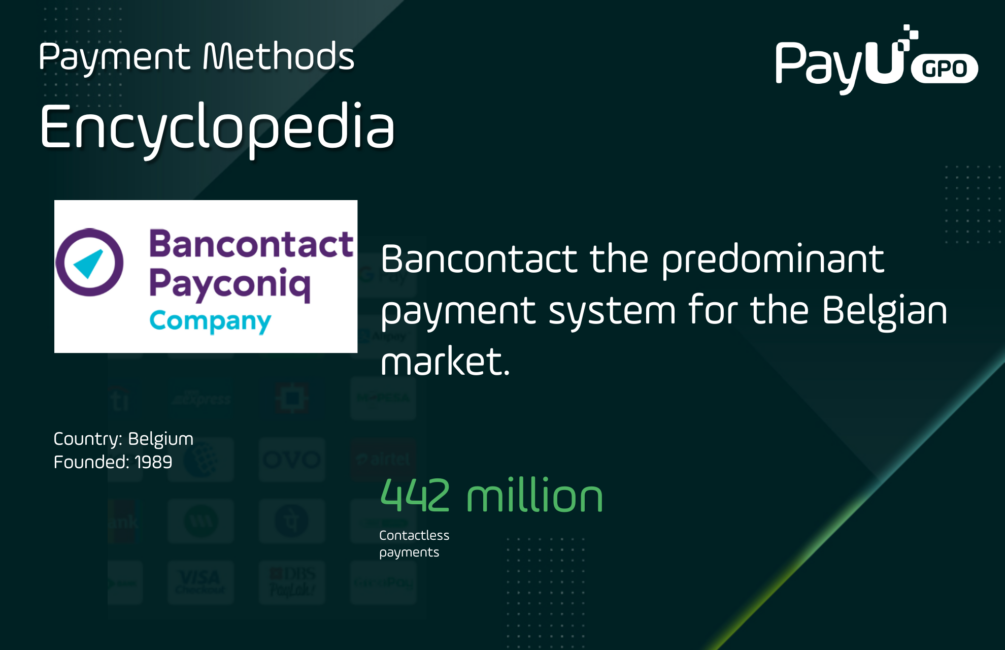
Bancontact is the most significant payment scheme for the Belgian market, recognized for its pivotal role in shaping the payment landscape. Operating as a versatile payment method, Bancontact enables users to conduct transactions with ease, both online and offline. Its prominence is evident in its widespread acceptance across various merchants, making it an integral part of the Belgian payment ecosystem.
Bancontact operates by connecting users, merchants, and financial institutions through a secure payment gateway. Users can link their bank accounts to Bancontact, allowing for swift and secure transactions. Whether used for online shopping or in-store purchases, Bancontact offers a seamless payment experience by integrating into various systems.
Merchants prefer Bancontact as a payment solution due to its widespread acceptance and seamless integration. Accepting Bancontact enhances the shopping experience for customers, contributing to increased sales and customer satisfaction. Its popularity among consumers positions merchants to cater to a broad customer base, ultimately benefiting their business.
Consumers appreciate Bancontact for its convenience and security. With the ability to make quick and secure transactions, Bancontact enhances the overall shopping experience. Its widespread acceptance ensures that consumers can use Bancontact across various merchants, both online and offline, making it a preferred payment method for many Belgian shoppers.
Merchants looking to integrate Bancontact into their payment options can do so by reaching out to the Bancontact service provider or financial institution. The integration process typically involves incorporating Bancontact as a payment gateway within existing systems. Once integrated, merchants can offer Bancontact as a preferred payment method, providing customers with a convenient and efficient way to complete transactions.
Bancontact is predominantly utilized in Belgium.
The benefits of using Bancontact as a payment method include its widespread acceptance, seamless integration, and convenience for both merchants and consumers.
Yes, utilizing Bancontact for online payments is generally uncomplicated and user-friendly.
Security measures are in place during Bancontact online transactions, which encompass encryption protocols and secure authentication processes, guaranteeing the safeguarding of sensitive information.

Utilize a global payment gateway to tap into various local payment choices.
View payment solutions