As we celebrate International Women’s Day, we recognize the power of financial inclusion in shaping a more equitable future.

International Women’s Day (IWD) 2025 carries the theme “Accelerate Progress”, emphasizing the urgent need to dismantle barriers to gender equality and drive meaningful action. At the current pace, full gender parity could take over a century – far too long to wait. This year’s theme calls for immediate, collective efforts to create a future where women and girls have equal access to opportunities, resources, and power.
One of the most significant ways to accelerate progress is through financial empowerment. Access to financial services is a crucial factor in breaking cycles of poverty, fostering independence, and creating sustainable opportunities for women – especially in emerging markets. Yet, millions of women worldwide remain unbanked, unable to access credit, and excluded from digital payment systems, limiting their ability to start businesses, save for the future, or invest in education.
FinTech solutions are playing a key role in breaking down these barriers, offering innovative payment methods, digital banking services, and microfinance opportunities tailored to women’s needs. By ensuring young women and adolescent girls have access to financial tools and knowledge, we empower them to be catalysts for lasting change, driving economic growth and shaping a more inclusive, feminist future where no one is left behind.
Financial inclusion is key to economic empowerment, but many women, especially in emerging markets, still struggle to access basic financial services. To close this gap, it’s important to understand why so many women remain unbanked, the obstacles they face, and how financial exclusion impacts their lives in the long run.
Financial disparities remain a global challenge, with women facing significant barriers to economic participation. In the United States, 3.18 million women were unemployed in October 2024, a rise from 2.8 million in October 2023, highlighting ongoing challenges in workforce inclusion.
Beyond employment, gender gaps persist across key areas worldwide. While health and survival rates reach 96% and educational attainment stands at 94.9%, women’s political empowerment lags far behind at just 22.5%. These disparities reflect broader financial inequalities, limiting women’s ability to access resources, secure stable incomes, and build long-term financial security. Addressing this gap aligns with several United Nations Sustainable Development Goals (SDGs):
Several barriers hinder women and girls from accessing financial services:
Financial technology is reshaping the way women access and manage money, offering solutions that overcome traditional banking barriers. With mobile banking, e-wallets, and microloans, more women – especially in emerging markets – are gaining financial independence and unlocking new opportunities.
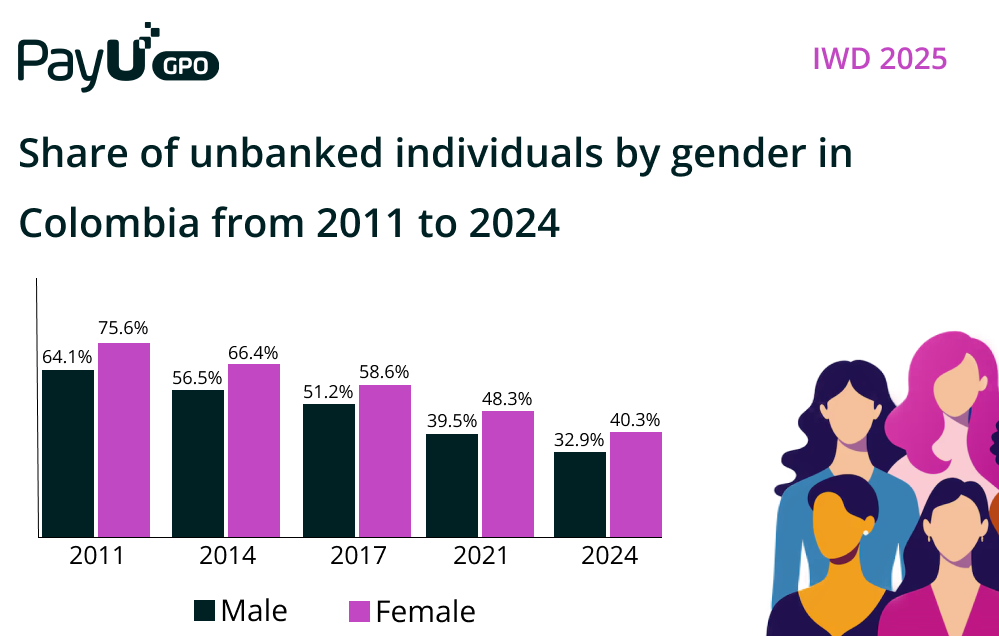
The rise of mobile banking and digital payments has played a crucial role in closing the financial gender gap. In 2024, online banking penetration reached 71.13% among women, compared to 73.76% among men – a gap of just 2.63 percentage points, showing steady progress in digital financial inclusion. Mobile wallets and e-banking platforms allow women to manage their finances without needing access to a traditional bank branch, which is especially beneficial in regions where mobility and documentation barriers persist.
In South Africa, digital payments are widely adopted, with 70.2% of women and 70.8% of men making digital transactions in 2024, highlighting near-equal participation in digital finance. However, in Nigeria, mobile money adoption remains significantly lower. As of 2021, only 7% of women owned a mobile money account, reflecting ongoing challenges in financial inclusion. A 2024 report on women’s trust in mobile money services in Nigeria and Senegal found that a lack of trust in mobile money providers and agents is a key barrier preventing many women from adopting these financial tools.
Beyond banking, alternative lending models like microloans and peer-to-peer financing are empowering women to pursue entrepreneurship. However, a significant gender financing gap still exists, with male founders raising more capital than their female counterparts through both debt and equity financing. This financial disparity limits women’s ability to launch and scale businesses, making digital lending and crowdfunding platforms essential in bridging the gap.
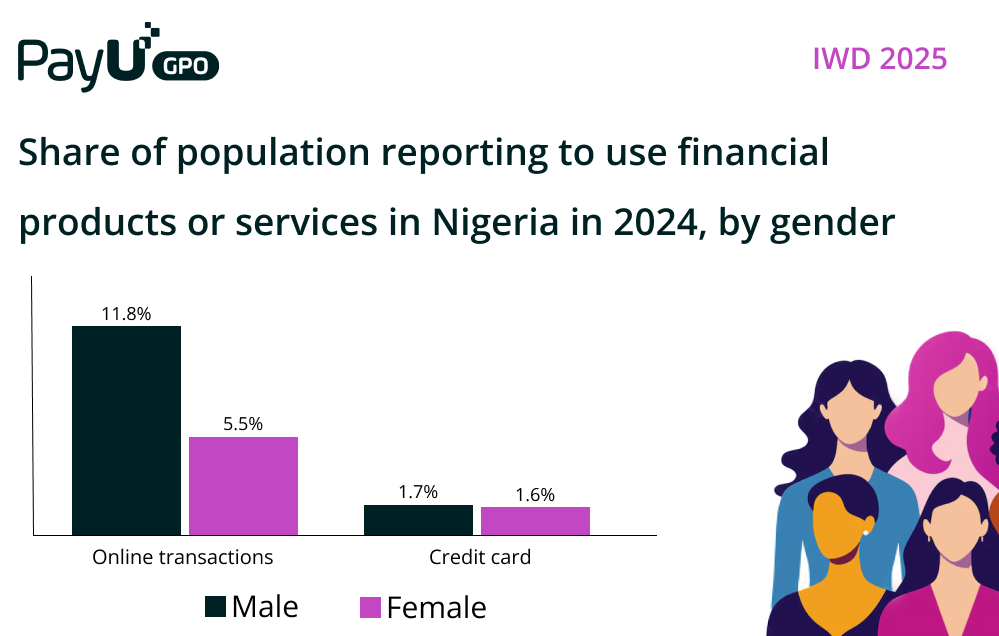
Financial disparities significantly hinder women’s entrepreneurial potential in Africa, particularly in accessing necessary funding to start and grow businesses. In Nigeria, for instance, women manage over 23 million microbusinesses, yet only 10% have access to formal financial loans, as reported by PwC.
Despite progress, only 20% of startups worldwide have at least one female founder. Limited funding and financial exclusion remain key obstacles, but FinTech is helping to level the playing field. Digital lending platforms and alternative financing solutions provide women with access to capital that traditional banks may not offer. Secure online payment solutions also make it easier for female entrepreneurs to expand their businesses, reach global markets, and build long-term financial stability.
By leveraging digital financial tools, women and young girls can save, invest, and build businesses without the constraints of traditional banking systems. As FinTech continues to evolve, it holds the potential to drive greater financial equality and empower the next generation of female entrepreneurs and leaders.
Financial literacy is a powerful tool in breaking cycles of poverty and economic dependency. When young girls learn how to save, budget, and invest, they gain the confidence and skills needed to make informed financial decisions throughout their lives. Early exposure to financial education helps them build long-term security and independence, reducing gender disparities in economic participation.
To bridge the financial knowledge gap, schools and community initiatives are integrating financial literacy into their programs, ensuring young women understand essential money management concepts. Additionally, digital learning platforms and mentorship programs such as SheWorks, FINTECH Academy or Girl Effect provide accessible resources, equipping girls with practical skills to navigate personal finance, entrepreneurship, and investment. By prioritizing financial education, we are shaping a future where women and girls have the knowledge and opportunities to achieve lasting financial empowerment.
Financial empowerment is not just about access to money – it’s about creating equal opportunities, breaking systemic barriers, and driving gender equality. When women and girls have control over their finances, they gain the power to shape their own futures, invest in their communities, and contribute to stronger economies.
Investing in young women today means building a more inclusive and prosperous world tomorrow. By expanding financial education, leveraging innovative technologies, and ensuring equal access to financial services, we can close the gender gap and unlock new opportunities for the next generation.
The path to financial inclusion is a shared responsibility. When businesses, governments, and individuals commit to empowering women and girls, we create a future where every woman has the tools, resources, and confidence to thrive – no one left behind.