
Pride Month is done and dusted, but creating an inclusive culture is the uninterrupted core to PayU’s agenda.
The terminology “pride” is here to stand as a bright contrast against any form of stigma. Pride Month honors the 1969 Stonewall riots, and while in the last 50+ years we have progressed from ‘protest’ to ‘celebration’ – there is much we can do to ensure a guilt-free, stigma-free, and equal world for anyone and everyone.
This June, when we kickstarted our first global Pride Month celebrations, we had one sole intent: to empower every PayUneer with a sense of security and inclusion at work, irrespective of their personal choices or preferences of gender and sexuality.
Find out more about our intentions and the initiatives behind them here.
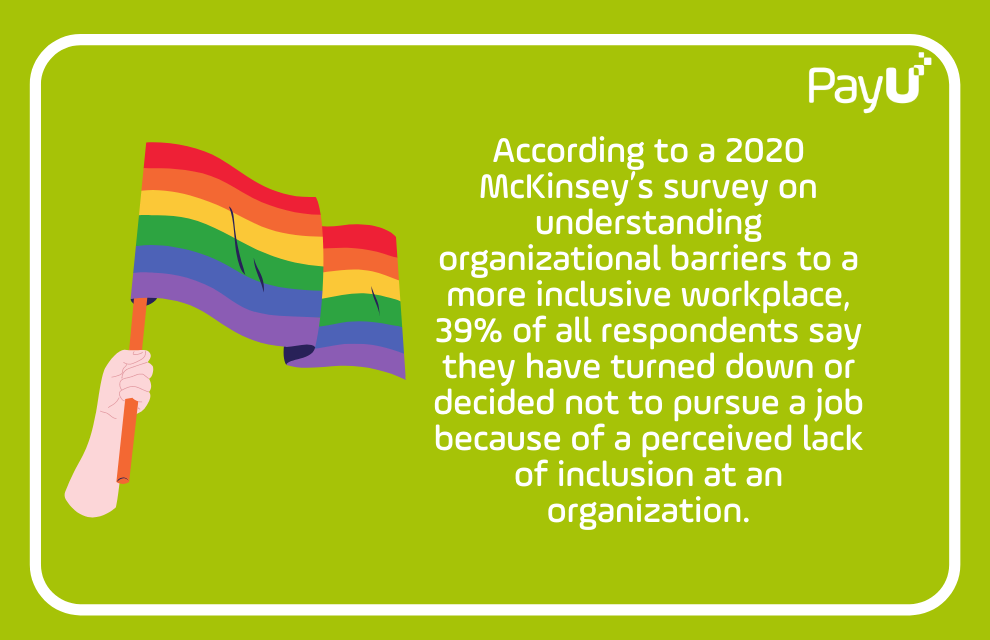
In 2019, PayU’s Diversity Council was set up to ensure inclusion and acceptance towards harnessing a workforce that thrives on diversity of race, culture, faith, choices, and gender. In the past, as an organization, we have taken several measures to ensure gender diversity. Nevertheless, to be genuinely inclusive, we need to delve beyond gender.
During Pride Month, PayU India took the opportunity and hosted a couple thought-provoking conversations with various stakeholders from the LGBTQ+ community and their allies in a series of online events – Dialogues of Pride.
Thought provokes action – here are some key actionable takeaways for employees and companies thriving to make a change.
“People from the LGBTQ community don’t want anything extra. They want the same rights as other people already have,” says Ashish Chopra, Founder of the LGBTQ+ community-oriented e-commerce platform BeUnic.
Chopra’s own experience has taught him that there is an urgent need to sensitize corporations and employees on the right way for straight colleagues to behave.
“Don’t crack or tolerate jokes about the community, and as a company, have a zero-tolerance towards bullying,” he says. Having an office LGBTQ+ employee support group has also proven to be a a beneficial tool in combating stigma at the workplace.
Watch the full conversation here.
Dialogues of Pride featured multiple panelists – some with an impressive track record of working in D&I throughout their careers across global organizations, and some who had emerged victorious after facing harrowing discrimination.
They all came together to share their thoughts, stories, and advice, answering some key questions: Watch the full panel discussion or read on for a summary.
“An organization needs to be willing to experiment with a new subject, be courageous and make mistakes,” says Vieshaka Dutta, director of Diversity, Equity and Inclusion at Publicis Sapient and a strong ally for the LGBTQ+ movement in India.
According to Dutta, it is crucial for the the facilitator of the LGBTQ+ conversation to have some depth.
“As an Ally, you need to have answers,” Dutta notes. “We have to unbubble what’s going on, and it’s essential to see some faces from the community when the subject comes to our mind,” she says.
Step zero, according to Anuradha Kumari, Global Financial Planning and Analysis Head at PayU, is education. Kumari is a passionate advocate of Diversity and co-chairs PayU’s Diversity Council.
“The generation I belong to simply did not grow up in spaces with exposure to the community,” she says. Increasing self-education via the vast internet repository can be combined with introspection on the privileges ‘straight’ – or cisgender people – take for granted.
“Family support is critical,” says Nayana Udupi, narrating moments in her journey as a trans woman that brought her to join the marketing team of the multinational organization Thoughtworks.
“Even if our family cannot support us financially, if we are morally supported, then our problem is solved. Somebody is there for us. This pushed me to keep going and chase my dreams,” she says.
She, too, talks about the importance of sensitization. “I was lucky since the company I work for strongly believes in Inclusion and already had systems in place before I joined,” Nayana says.
Harsha Ravikumar, product manager, ERG leader, and Allyship facilitator at Microsoft, says developing inclusive products needs empathy at its core.
He states that all product managers should ask themselves, ‘Is there any bias getting into this feature?’ In his opinion the only way to build a better product is to talk to more people. “When we don’t hear voices and act upon them, that is when we develop products that are exclusionary,” he explains.
“Building awareness means having conversations, while staying curious to have more,” says Bibaswan Dash, founding member of Gleam, the Global LGBTQIA+ Employees and Allies chapter at Microsoft, and a member of Microsoft’s HR advisory board.
Staying curious is nevertheless far from enough – one has to act with courage. “If things are not fine, have the guts to stand up,” Dash says.
All panelists agreed that from an organizational perspective, the successful implementation of LGBTQ+ inclusion needs leadership commitment. Any product or service reflects the people who build it. Therefore, for true inclusion and change, we need to have diverse teams at work.
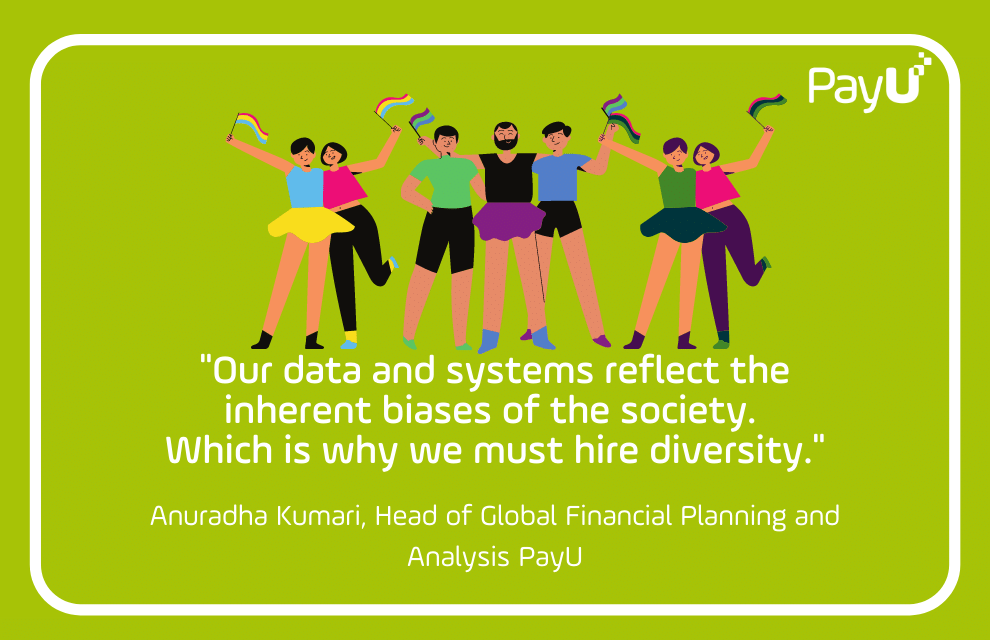
As Anuradha Kumari lucidly puts it, “Our data will be biased, our systems will have inherent biases from society. So we should hire diversity. And we need to bring in that critical mass to make acceptance the larger science. Second, we should have these conversations with our kids. Making them aware will give them a better life and help create a better society.”
Kickstarting an open and authentic conversation on this topic was a massive milestone for us as an organization. While we aim to empower our employees further, we realize it is them who empower us – post our Dialogues of Pride, a PayUneer gained the courage to uncover oneself and ‘come out’ at the workplace. It is only fair for us to have the same courage and continue our commitment towards inclusion moving forward, as we work towards establishing robust guidelines to empower our PayUneers.